The 2013 Chevy Silverado 1500 is a rugged, dependable workhorse, but after years of sun exposure, road debris, and harsh weather, its headlight lenses often develop a hazy, yellowed appearance. This cloudiness is not just an aesthetic nuisance—it significantly reduces light output, compromising nighttime visibility and safety. When faced with foggy headlights, Silverado owners typically confront a common dilemma: should they restore the existing lenses through sanding and polishing, or replace them entirely with new aftermarket or OEM housings? Both approaches have distinct advantages and drawbacks, and the right choice depends on your budget, time, and long-term expectations.
Restoration is the cheaper, faster option. Headlight restoration kits are widely available for under thirty dollars and include sandpaper of varying grits, polishing compound, and a protective sealant. The process involves wet-sanding the lens surface to remove the damaged outer layer, then buffing it to clarity and applying a UV-blocking coating. For a Silverado owner on a tight budget, this can be a weekend project that yields noticeable improvement. Many kits produce excellent results, restoring up to eighty percent of the lens’s original transparency. However, restoration is a temporary fix. The factory UV protective coating on the lens is the first layer to fail, and after sanding it away, the bare polycarbonate plastic is even more vulnerable to future UV damage. Without meticulous reapplication of a high-quality sealant, the cloudiness often returns within six to twelve months. Additionally, deep pitting, stone chips, or internal condensation cannot be fixed by surface sanding alone, leaving those imperfections permanently visible.
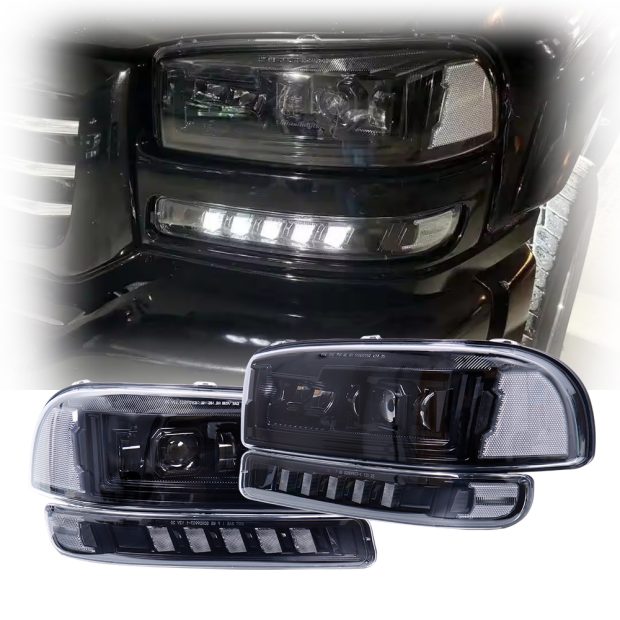
Replacement, on the other hand, offers a permanent, factory-fresh solution. New aftermarket or OEM 2013 Chevy Silverado headlight housings provide crystal-clear lenses, modern reflector or projector designs, and sometimes even upgraded features like built-in LED accent lighting. Installation is straightforward for the Silverado 1500—typically requiring removal of a few grille bolts and headlight retaining screws, with no special tools needed. Replacement also gives you the chance to upgrade to projector housings, which dramatically improve beam focus and cutoff compared to the factory reflectors. The downside is cost. Quality aftermarket assemblies range from one hundred to three hundred dollars per pair, while genuine OEM units can exceed five hundred dollars. However, this cost is a one-time investment that often lasts the remainder of the vehicle’s life if properly maintained.
The condition of the lens itself is a critical deciding factor. If the hazing is superficial and the lenses are smooth to the touch, restoration is a viable first attempt. You can always replace them later if the results disappoint. But if the lenses feel rough, show deep cracks, or contain moisture inside the housing, replacement is the only effective solution. Moisture inside the unit indicates a broken seal that restoration cannot address, and attempting to polish a cracked lens is a waste of time and effort. For Silverado owners who live in sunny, high-UV climates like the southern United States, replacement with UV-coated housings is often the smarter long-term investment.
Beyond the lens itself, consider the broader lighting system. If your headlight bulbs are aging and the wiring harness is showing signs of voltage drop, a replacement project becomes an opportunity to upgrade everything at once. Install new bulbs, a relay harness, and fresh housings together, and your Silverado will have a lighting system that rivals modern trucks. This holistic approach minimizes disassembly and ensures all components work in harmony. For the do-it-yourself owner, replacement offers satisfaction and reliability, while restoration appeals to those seeking a quick budget-friendly fix.
In summary, headlight restoration is ideal for minor hazing on a tight timeline or budget, but it is inherently temporary and requires diligent maintenance. Replacement is the definitive solution for severely damaged lenses, offering lasting clarity, improved beam performance, and the opportunity for technological upgrades. For the average 2013 Silverado owner, the smartest strategy is often this: attempt a quality restoration first. If the lenses clear up satisfactorily, maintain them with UV sealant reapplication every few months. If they remain cloudy or the haze returns quickly, invest in new housings. Either way, your Silverado deserves clear vision, and addressing cloudy lenses is one of the simplest ways to enhance both safety and curb appeal.